
Choosing your first pair of reading glasses can feel confusing — different strengths, frame types, lens options, shapes, and price ranges. If you’re a beginner, you might wonder:
“Which reading glasses are right for me?”
“How do I pick the right magnification?”
“What frames will feel comfortable for everyday use?”
No stress! In this easy, beginner-friendly guide, you’ll understand exactly what to buy, how to choose the right lenses, and which reading glasses will give you the most comfort and clarity.
What Are Reading Glasses — and Why Do Beginners Need Them?
Reading glasses are designed to help you see close-up objects more clearly. If you’re starting to notice blurry text, eye strain, or trouble reading small print — this is a natural sign of presbyopia, a common age-related vision change that usually begins after age 35–40.
You may need reading glasses if you notice:
- Newspaper or phone text looks blurry
- You hold books farther away to read
- Eyes feel tired after screen or book reading
- Frequent headaches after close-up work
Reading glasses help your eyes focus better and reduce strain — making reading smoother and more comfortable.
Why Beginners Struggle Choosing Reading Glasses
If this is your first time buying reading glasses, you might face these problems:
- Which magnification strength should I choose?
- Which frame shape suits me?
- Plastic or metal frame?
- Blue-light filter needed or not?
- Ready-made vs. prescription — which is better?
This guide explains each of these clearly so you buy confidently.

How to Choose the Right Strength (Magnification)
Reading glasses come with different strengths like +1.00, +1.25, +1.50, +2.00, etc.
Recommended Strength Chart for Beginners
| Age | Suggested Power |
|---|---|
| 35–45 | +0.75 to +1.00 |
| 45–55 | +1.25 to +1.50 |
| 55–65 | +1.75 to +2.50 |
| 65+ | +2.50 to +3.00 |
Beginner Tip: Start Low
If you’re unsure about the power, always start with a lower strength (+1.00).
Too much magnification makes text look large but blurry.
How to Test the Strength
Go to any online reading chart and try reading at a comfortable distance (14–16 inches).
If you can read easily → that’s your correct power.
Types of Reading Glasses Beginners Should Know
Before buying, understand the styles available:
1. Full-Frame Reading Glasses (Best for Beginners)
These have magnification across the entire lens.
Best For:
- Book reading
- Phone reading
- Long hours of close work
Why Beginners Love It:
- Simple, comfortable, and easiest to adapt to
2. Half-Frame Reading Glasses
Smaller lenses, worn lower on the nose.
Best For:
- People who switch between near & far vision
- Office or desk work
Not ideal for absolute beginners because adaptation takes time.
3. Blue-Light Blocking Reading Glasses
Helps reduce digital eye strain from phones, computers, tablets.
Best For:
- Students
- Office workers
- Anyone who spends long hours on screens
4. Foldable or Compact Reading Glasses
Portable, lightweight; designed for travelers.
Best For:
- On-the-go use
- Emergency backup pair
5. Progressive Reading Glasses (Advanced)
No visible lines, multiple ranges — distance + intermediate + near.
Not recommended for total beginners without an eye exam.
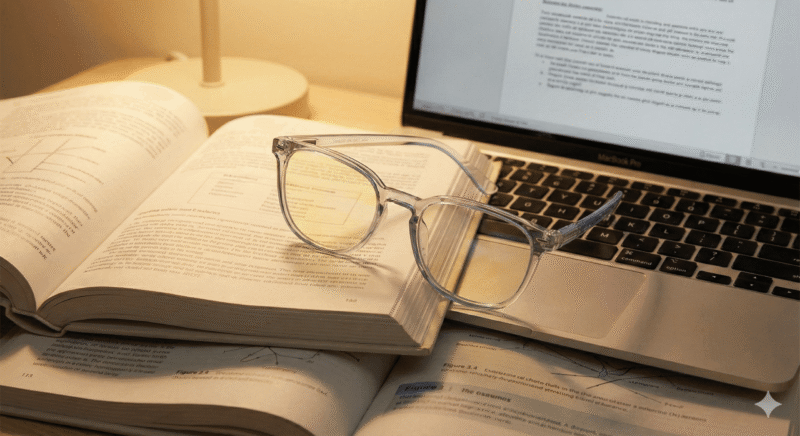
How to Choose the PERFECT Frame as a Beginner
Your comfort matters more than style when starting out.
1. Lightweight Frames
Beginners should pick:
- TR90
- Acetate
- Stainless steel
These feel light and do not pressure your nose or ears.
2. Comfortable Nose Pads
Especially if reading for long periods.
3. Flexible Hinges
Spring hinges give better comfort and long-term durability.
4. Frame Shapes Based on Your Face Shape
| Face Shape | Best Frames |
|---|---|
| Round | Square, Rectangle |
| Square | Oval, Round |
| Oval | Any style fits |
| Heart | Bottom-heavy frames |
Choosing the right shape improves both comfort and confidence.
Lens Features Beginners Should Consider
Here are lens upgrades that help beginners:
Anti-Reflective (AR) Coating
Reduces glare from screens and lights.
Scratch-Resistant Coating
Protects lenses from minor wear.
Blue Light Filter
Good for long screen usage.
UV Protection
Protects eyes from harmful sunlight when reading outdoors.
Top 5 Best Reading Glasses for Beginners (2025 Picks)
These are beginner-friendly reading glasses types:
1. Classic Full-Frame Reading Glasses (+1.00 to +1.50)
Lightweight, durable, and perfect for new users.
2. Blue-Light Blocking Readers
Reduces strain while reading on phones & computers.
3. Flexible TR90 Lightweight Glasses
Bendable, super comfortable — great for long usage.
4. Anti-Glare Lens Readers
Best for nighttime reading or office work.
5. Premium Progressive Readers
Recommended only after you get used to basic readers.
How Much Should Beginners Spend on Reading Glasses?
Reading glasses come in multiple price ranges:
- Budget: $10–$20
- Mid-range: $25–$50
- Premium: $60–$150
For beginners, $15–$30 range is ideal — strong build + great comfort.
Where to Buy Good Reading Glasses (Safe & Beginner-Friendly)
Recommended for beginners:
🔗 Official Websites
EyeBuyDirect (Official)
GlassesUSA (Official)
Zenni Optical (Official)
Warby Parker (Official)
Pair Eyewear (Official)
These websites offer correct magnifications, free returns, and high-quality frames.
Beginner Mistakes to Avoid
Here are common mistakes you must avoid:
❌ Buying too high magnification
❌ Buying purely for style
❌ Not checking return policy
❌ Ignoring frame comfort
❌ Using reading glasses for distance vision
Avoid these and you’re safe.
Final Tips: How to Use Reading Glasses as a Beginner
- Start with short reading sessions
- Use proper light
- Keep lenses clean
- Take breaks every 20 minutes (20-20-20 rule)
- Keep a spare pair in your bag or desk
Conclusion
Buying your first reading glasses doesn’t have to be stressful. If you know your magnification, choose the right frame, and pick comfortable lenses — then reading becomes easier, clearer, and enjoyable.
This beginner-friendly guide gives you everything you need to confidently choose the best reading glasses for your eyes.
👉 Related Post:
How to clean your glasses properly
https://buyersorbit.online/how-to-clean-your-glasses-properly/
👉 Explore Category:
Glasses & Eyewear Category
https://buyersorbit.online/category/glasses-eyewear/